VOID

Projet in-situ

In-situ project

Personal project

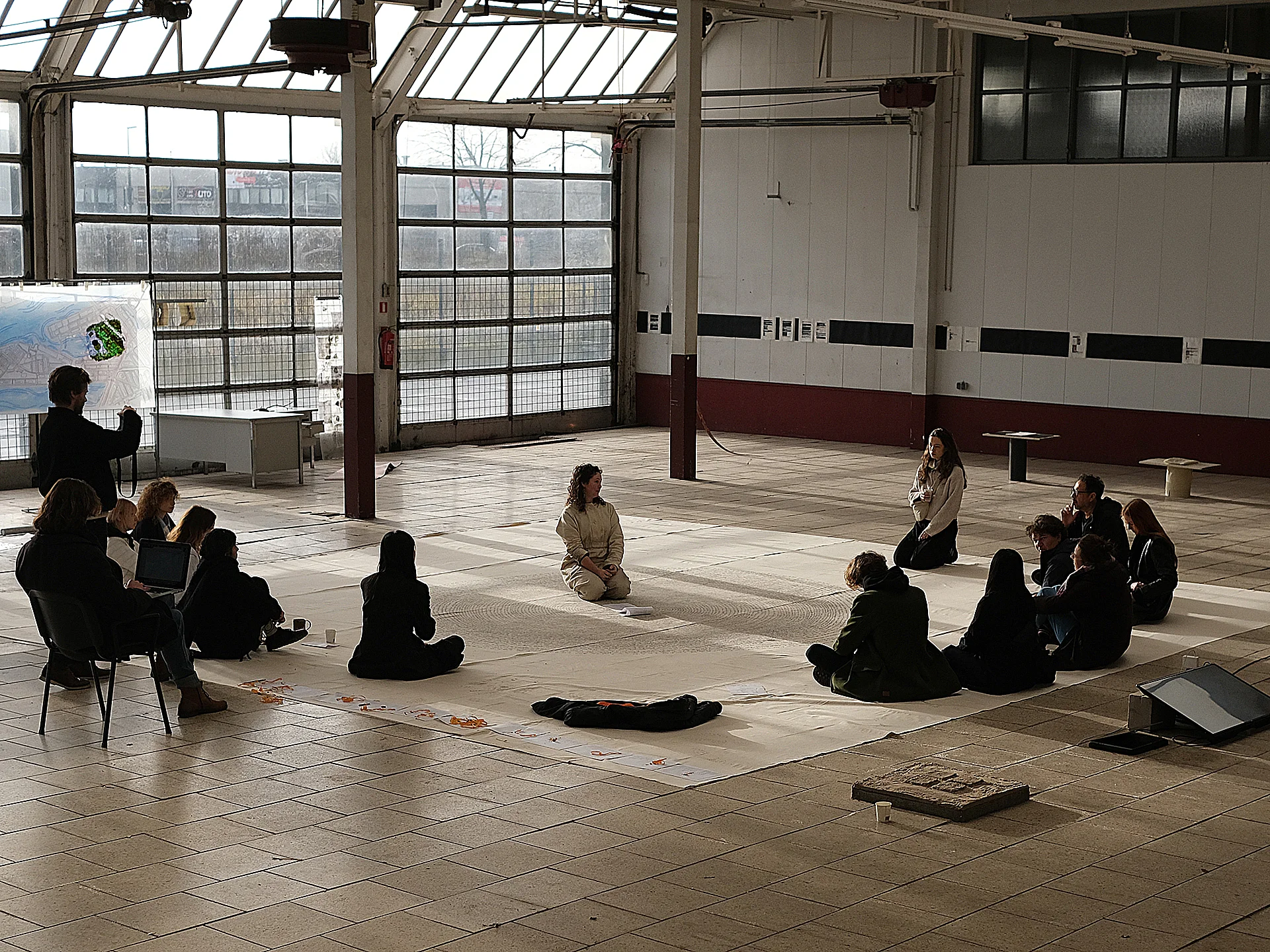
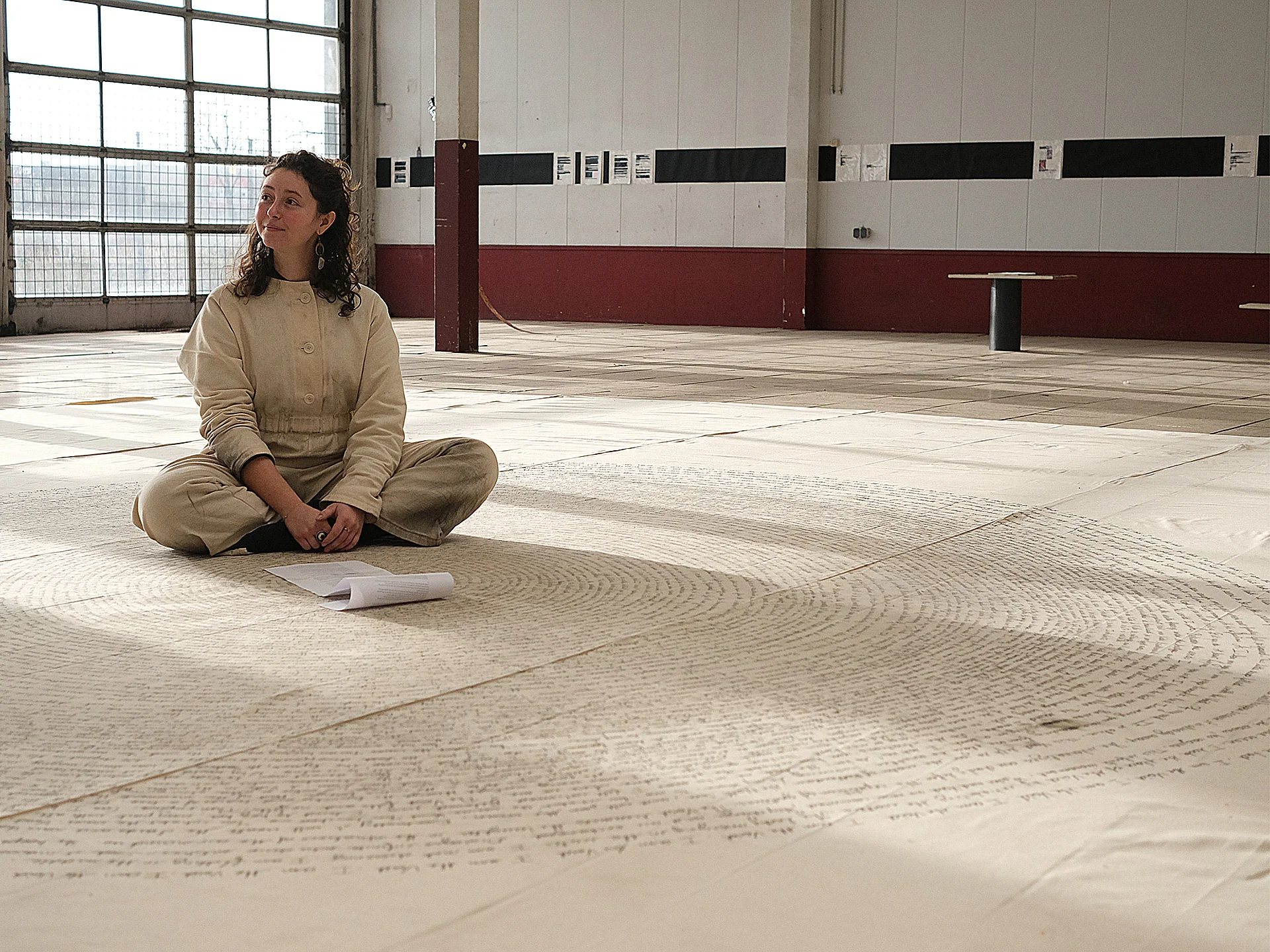
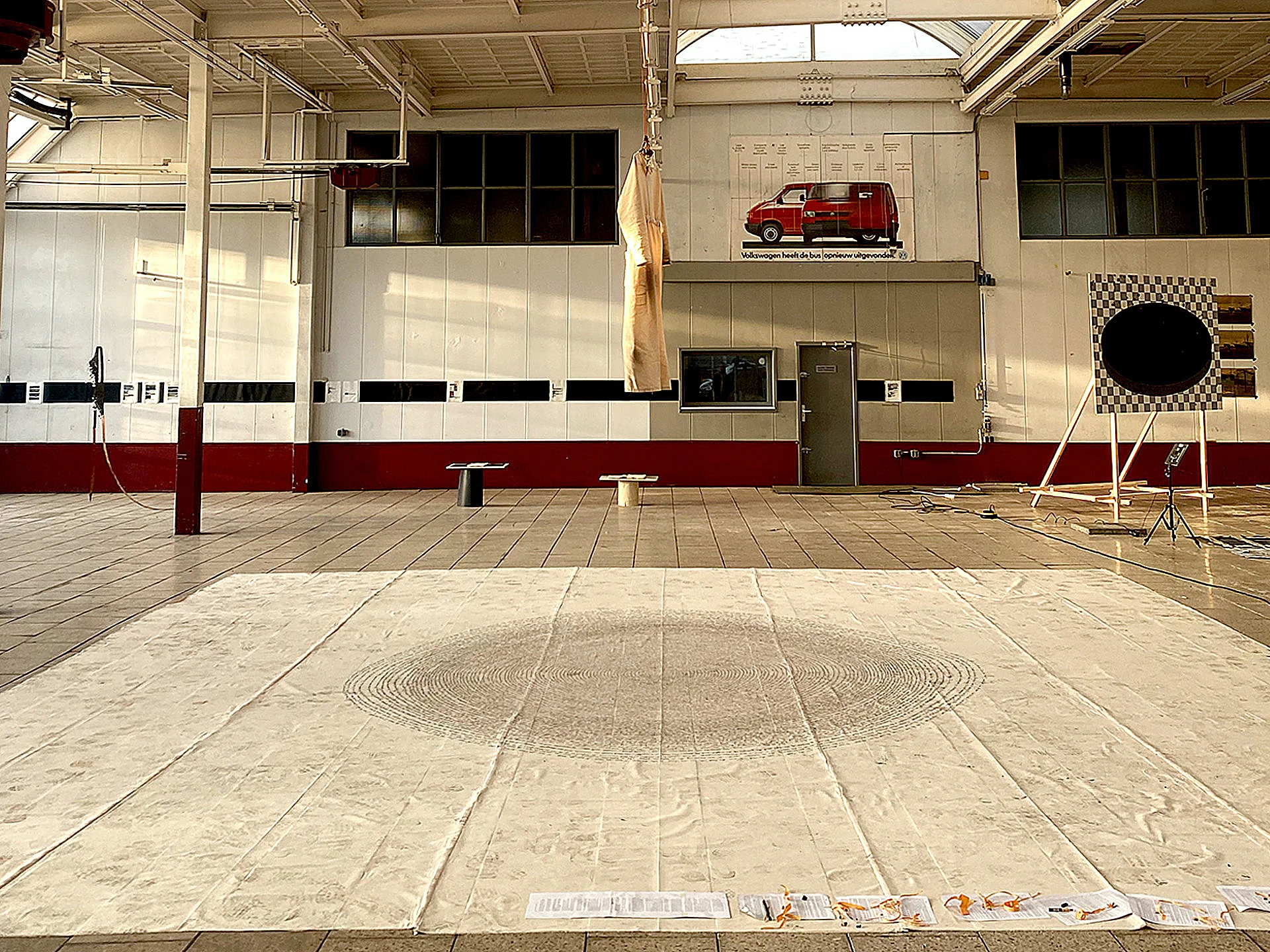
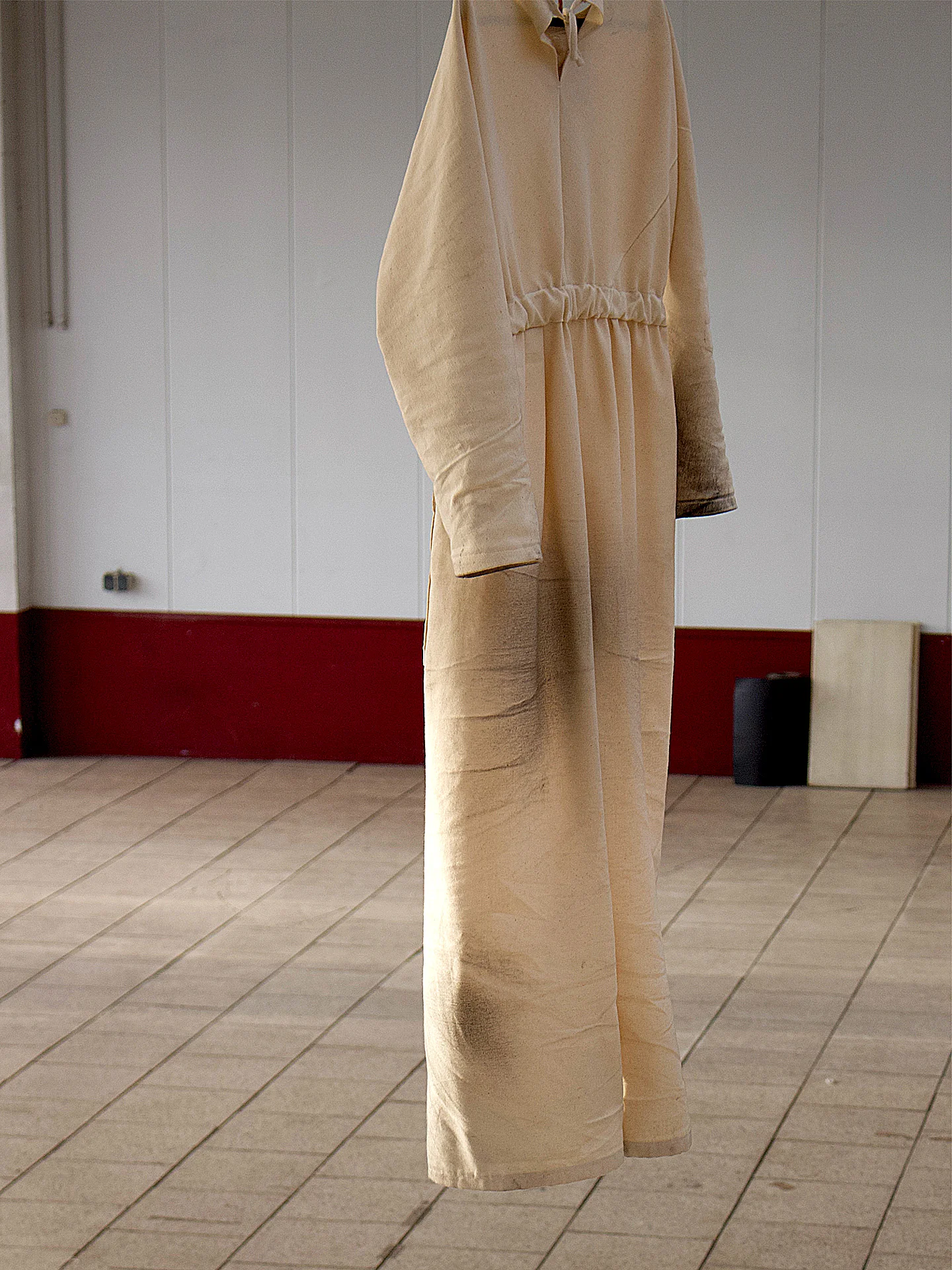
Photographie de l'installation Photographie de l'installation Photographie de l'installation

L’écriture comme pratique de conception. De plus en plus intriguée par l’idée du Vide pendant mes visites à Katendrecht, j’ai commencé à m’y rendre plusieurs fois par semaine pendant tout le semestre. Le simple fait d’écrire sur place était une façon de décrire les sensations que je ressentais en étant là. D’abord étrangère à cet endroit, je me contentais de décrire mes impressions personnelles, puis ce travail est devenu une nouvelle façon d’habiter l’espace. De comment ma présence en ces lieux devient au fur et à mesure du temps, une nouvelle manière d’entrer en contact avec une architecture non-tangible mais sensorielle.
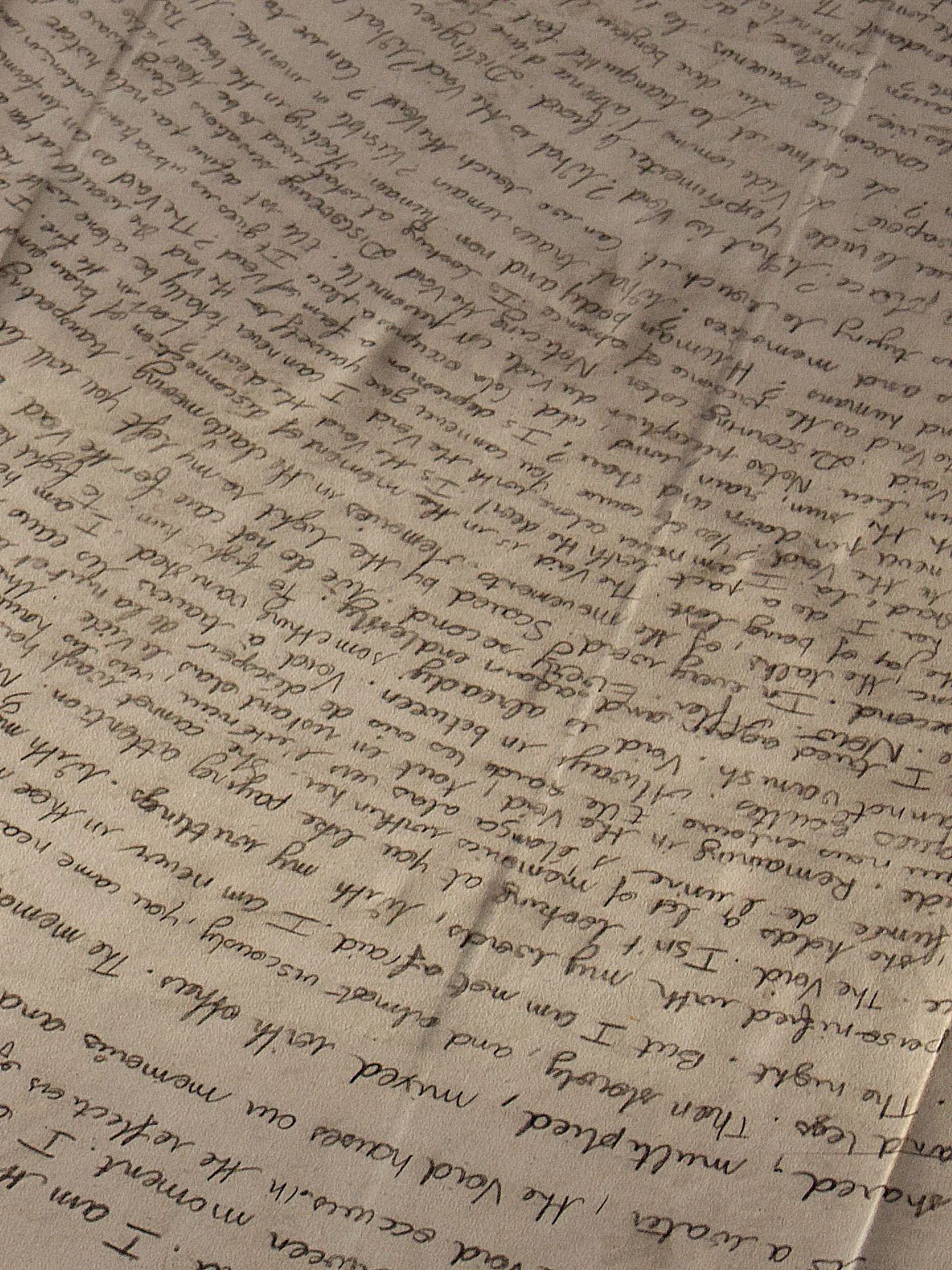
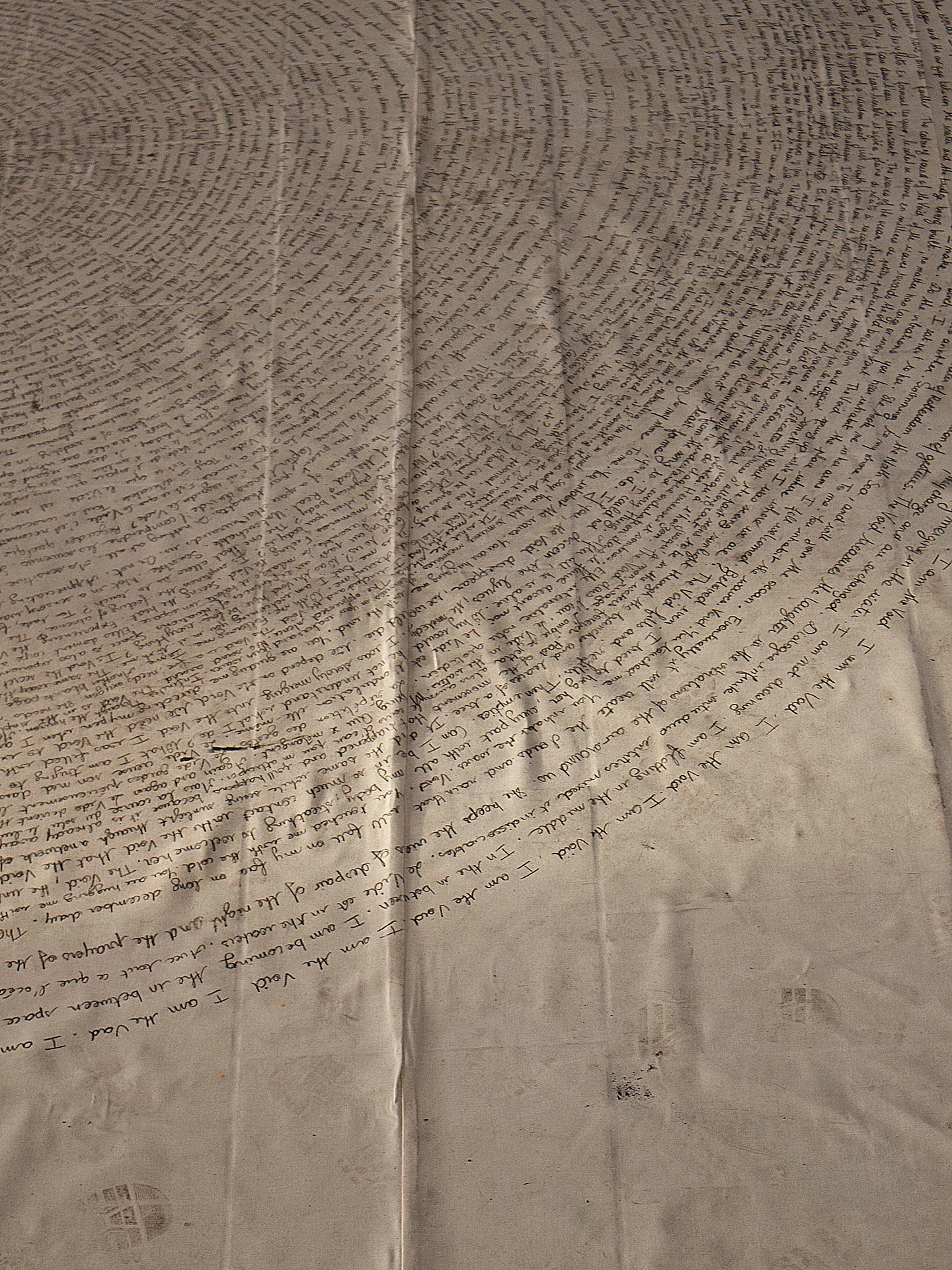
Writing as a design practice. Increasingly intrigued by the idea of Void during my visits to Katendrecht, I began to go there several times a week throughout the semester. Simply writing on site was a way to describe the sensations I felt while being there. Initially unfamiliar with this place, I simply described my personal impressions, but then this work became a new way of inhabiting the space. How my presence in these places gradually becomes a new way of engaging with a non-tangible but sensory architecture over time.
Photographie de l'installation Photographie de l'installation Photographie de l'installation

«Le vide laisse-t-il des traces ? Pouvons-nous les percevoir ? Les toucher ? Les sentir ? Les conserver ? Le vide est-il notre espace de respiration ? Inspirer et expirer. Respirer entre les mots que j’écris. Entre les mots que je prononce. Ici même. Maintenant, aujourd’hui. Le son que je produis. Les vibrations que vous entendez habitent-elles l’endroit où nous sommes ? Le vide se remplit et se remplit à nouveau. Puis se vide. Le vide en architecture est à la fois l’eau qui coule sous le pont et l’espace d’air entre l’eau et le pont en construction, qu’il soit grand ou inexistant. Le vide en architecture, c’est voir la lumière du soleil à travers les branches et les feuilles d’un arbre. C’est aussi voir la lumière du soleil à travers un réseau de fenêtres dans l’espace ouvert d’un bâtiment.»

"Does the void leave traces? Can we perceive them? Touch them? Feel them? Keep them? Is the void our breathing space? Inhale and exhale. Breathe between the words I write. Between the words I speak. Right here. Now, today. The sound I produce. Do the vibrations you hear inhabit the place where we are? The void fills and fills again. Then empties. The void in architecture is both the water flowing under the bridge and the air space between the water and the bridge under construction, whether large or nonexistent. The void in architecture is seeing sunlight through the branches and leaves of a tree. It is also seeing sunlight through a network of windows in the open space of a building."

.

.

.

Performance VOID, écriture en time lapse, par Maïlys Bonnet
Performance, par Maïlys Bonnet